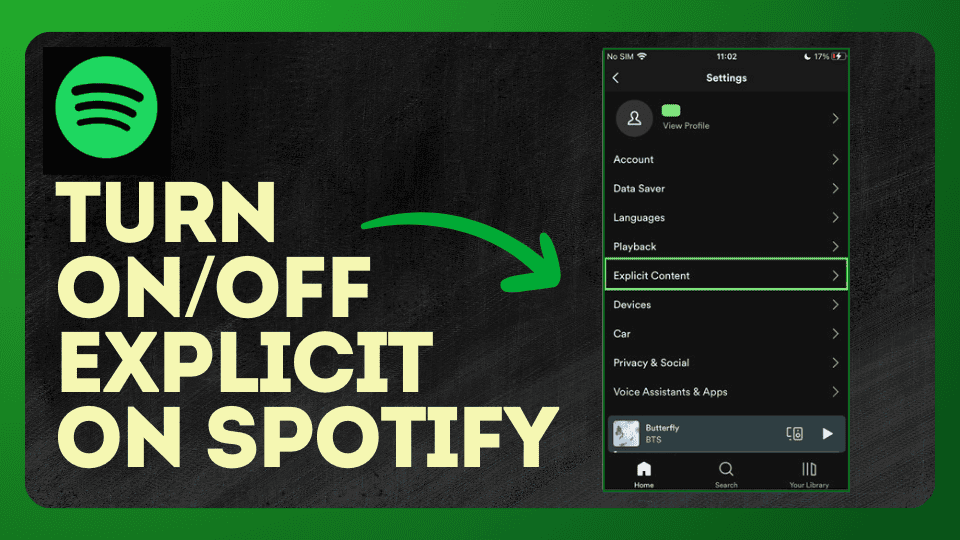
To share a playlist on Spotify, open the playlist, tap or click the three-dot menu icon, select “Share,” and choose your preferred sharing method—whether through a direct link, social media, messaging apps, or a scannable Spotify code. This process works seamlessly across mobile devices, desktop applications, and web browsers, allowing you to share your curated music collections with friends, family, or followers in seconds.
TikTok emoji codes explained are a simple but powerful way to level up how you communicate and engage on the platform. Instead of just dropping regular emojis, these hidden codes let you unlock special TikTok-style emojis that can make your captions, comments, and videos stand out more in a crowded feed.
Whether you’re trying to boost engagement, add personality to your posts, or just make your content feel more native to TikTok culture, learning how these emoji codes work can give you a small but effective edge.
In this guide, you’ll find a complete list of TikTok emoji codes and a clear breakdown of how to use them step by step.
Keep reading and start using TikTok emoji codes today to make your content more engaging and eye-catching.
We’ve all seen them: those YouTube Shorts that have awkward black bars on the sides, or worse, look like they were filmed through a screen door. In a format where you have less than a second to capture someone’s attention, visual quality isn’t just a “nice-to-have”—it is your first handshake with the viewer. If your video looks unprofessional, the algorithm is less likely to push it, and viewers are more likely to swipe away before you even say a word.
But what exactly makes a Short look “high-end”? It’s not just about the camera you use; it’s about the YouTube Shorts Aspect Ratio settings you choose in your editing suite. In 2026, as mobile screens become sharper and more diverse, sticking to the “default” isn’t always enough. In today’s guide, we are breaking down the technical “Holy Trinity” of YouTube Shorts—Ratio, Resolution, and Bitrate. We’ll show you how to optimize your export settings to avoid that dreaded “compression blur” and ensure your content looks crystal clear, whether it’s being viewed on a budget smartphone or the latest flagship device.
The professional DJ world was once a gated community requiring massive vinyl collections or expensive MP3 libraries. That changed in 2026 with the return of Spotify DJ software integrations. By officially partnering with industry titans like rekordbox and Serato, Spotify has transformed its library of 100 million tracks into a “digital record crate,” allowing anyone with a Premium subscription to mix music like a professional.
Just to be clear: this isn’t the chatty AI DJ who keeps trying to be your best friend in the main app. This is about real-time, professional-grade mixing where you control the faders, the transitions, and the energy of the room. In this guide, we’ll walk you through the best partner apps, the technical limitations you need to know, and the simple steps to get your first deck spinning.
If you recently opened the Spotify app and saw a disco ball icon instead of the usual green logo, you’re not alone. Users across different regions have reported the same surprising change, sparking confusion and speculation online.
Is Spotify rebranding? Did the logo change overnight? Or is something else happening behind the scenes?
The short answer: Spotify has not officially changed its logo. But the longer answer is much more interesting—and it reveals how modern apps quietly evolve through design experiments, campaigns, and personalized visuals.
Let’s break it down.
IFor years, posting to Instagram felt like a high-stakes performance. Every Reel we shared was immediately broadcast to our loyal followers and etched onto our carefully curated grids. This created a “perfectionist’s paradox”—we wanted to experiment with new trends or styles, but the fear of a “flop” affecting our brand aesthetic kept us playing it safe. But what if you could audition your content to a fresh audience before deciding if it earned a permanent spot on your profile?
Enter Instagram Trial Reels, Instagram’s answer to the creator’s need for experimentation. This feature allows you to bypass your current followers and serve your video specifically to new audiences for a set period. It’s essentially a “soft launch” for your creativity, providing you with raw data on what resonates with the wider world without cluttering your grid or confusing your core community. In today’s guide, we are exploring how to use Instagram Trial Reels to spark growth, why this “test-first” approach is the future of social strategy, and how to use the resulting insights to build a more powerful, data-backed presence.
We have all been there: you spend hours editing the perfect video, only to have the most important part clipped by a platform limit, or worse—to watch your “viewer retention” graph plummet because the intro dragged on for too long. On Instagram, time is the most expensive currency. With several different video formats competing for space in a user’s feed, knowing the technical limits is only the first step. The real challenge is finding the “sweet spot” that keeps people watching until the very last frame.
Whether you are crafting a cinematic Reel, a raw and unfiltered Story, or a high-conversion Video Ad, each format has its own set of rules and psychological triggers. In 2026, the lines between “short-form” and “long-form” content are blurring, and Instagram’s algorithm is constantly shifting its preference for how long a video should be. In today’s guide, we are breaking down the official Instagram video length limits, exploring why “shorter” isn’t always better, and showing you how to structure your videos to capture attention in the first three seconds and keep it until the end.
If you’ve been wondering how to shuffle on SoundCloud properly, you’re not alone. Many desktop users notice that SoundCloud’s shuffle feature keeps replaying the same 20–50 songs instead of randomly mixing their entire playlist or Likes library. This happens because the desktop player only shuffles tracks currently loaded into your browser queue, not your full collection. Fortunately, there are several ways to fix this issue, including using a Tampermonkey browser script, manually loading all songs before shuffling, using keyboard shortcuts, or downloading tracks for better offline playback control.
TikTok keeps evolving, but one thing hasn’t changed—people still rely on search and discovery to find content they care about. That’s where a smart TikTok hashtag strategy becomes a game-changer. It’s no longer about throwing random trending tags under your posts; it’s about helping the algorithm clearly understand who your content is for.
Hashtags now act like signals. They guide TikTok’s system to categorize your videos and connect them with the right audience faster. When used correctly, they can improve visibility, boost engagement, and support consistent growth over time.
👉 If you want your content to stop disappearing into the void and actually reach the right viewers, it’s time to rethink how you use hashtags. Let’s break down how a modern TikTok hashtag strategy really works and how you can apply it for better reach and engagement.
In the ever-evolving world of social media, privacy has become a luxury. Whether you’re trying to maintain a professional image, curate a more personal digital space, or simply avoid unwanted “profile lurking,” the question remains the same: how do you hide Instagram followers?
While Instagram is designed to be an open, social platform, not everyone wants their entire network on public display. Navigating the platform’s settings can be tricky, especially since there isn’t a single “invisible” button to toggle. In this guide, we’ll dive into the most effective strategies to control your visibility and walk you through the steps to secure your profile, ensuring your follower list stays seen only by the eyes you choose.